

How Core Wounds Manifest in real life?
Core Wounds: Unraveling the Tapestry of Our Being
As a somatic psychotherapist and trauma therapist with nearly a decade of experience, I've witnessed firsthand the profound impact of core wounds on our lives. These are the invisible scars etched onto our psyches, often formed in early childhood through unmet needs, neglect, or traumatic experiences. They shape how we see ourselves, navigate relationships, and interact with the world. Understanding these wounds is vital for healing and creating a more fulfilling life. Each core wound fosters a set of core limiting beliefs that become the internal narrative shaping our reality. These core beliefs become deeply ingrained, influencing our thoughts, emotions, and behaviors. They can act as self-fulfilling prophecies, leading us to subconsciously recreate experiences that reinforce the wound.
What are Core Wounds?
Core wounds arise from a fundamental disconnect between our inherent needs and the nurturing environment we experience in our formative years.
This disconnect can manifest in various ways:
1. The Wound of Abandonment:
The wound of abandonment is a deep emotional scar formed when a person's fundamental needs for safety, security, and connection are not consistently met in their early life. This can manifest in various ways, from physical neglect to the emotional unavailability of caregivers. The core belief associated with this wound is, "I am not lovable," leading to a pervasive feeling of loneliness and a constant search for external validation.
Common Trauma Response: Freeze, Fawn
Core Belief: I am not lovable, I am alone, I cannot trust others
Core Wound Formation: Imagine a young child named Sarah. Her parents are workaholics and often leave her alone for extended periods. When Sarah expresses sadness or seeks attention, they are dismissive or emotionally unavailable. This repeated experience teaches Sarah that her needs don't matter and that she is not worthy of love and attention. Over time, this unmet need for connection deepens into a core wound of abandonment.
Coping Mechanism: Emotional numbing, isolation
Sabotaging Pattern: Withdrawing from relationships to avoid potential rejection, pushing away intimacy.
How abandonment manifests in adult life:
Early experiences of abandonment can leave individuals with a heightened sensitivity to perceived rejection, leading to difficulties in forming and maintaining trusting relationships.
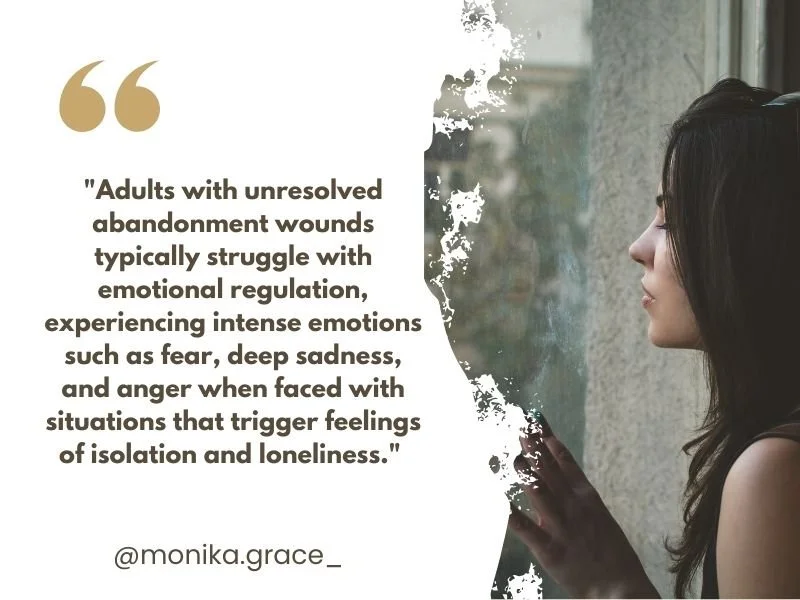
Adults with unresolved abandonment wounds may struggle with emotional regulation, experiencing intense emotions like fear and anger when faced with situations that trigger feelings of isolation.
Individuals with a history of abandonment may exhibit self-protective behaviors such as emotional numbing or withdrawal, hindering their ability to experience intimacy and connection.
The constant search for external validation, often seen in people with abandonment wounds, can lead to a lack of self-worth and difficulty making independent decisions."
Unprocessed abandonment trauma can manifest as hypervigilance in adulthood, causing individuals to be overly cautious and distrustful in their interactions with others.
2. Emotional neglect:
When a child's emotional needs for comfort, validation, or empathy are consistently unmet, a wound of abandonment or emotional unavailability can develop.
Common Trauma Response: Freeze, Shutdown
Core Beliefs: My feelings don't matter, I am not worthy of love, I am broken
Core Wound Formation: Imagine a young child who expresses sadness but is met with dismissal or criticism. This emotional neglect triggers a stress response in the nervous system. The sympathetic nervous system (fight-or-flight) activates, preparing the child for action. If the parent continues to be dismissive, the child might experience a freeze response, shutting down emotionally to cope with the overwhelming situation. Over time, repeated experiences of emotional neglect can imprint this freeze response as a default coping mechanism, leading to a core wound of emotional unavailability and the limiting belief, "My feelings don't matter."
Coping Mechanism: People-pleasing, hypervigilance
Sabotaging Pattern: Constantly seeking external validation, becoming overly sensitive to others' moods.
How emotional neglect manifests in adult life:
Adults who experienced emotional neglect in childhood may struggle to identify and express their emotions, leading to difficulties in building healthy relationships.
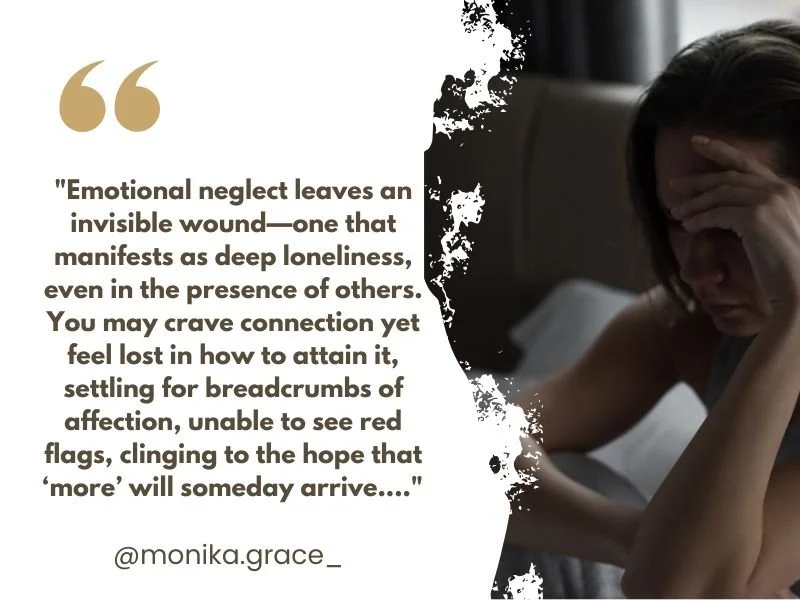
A common consequence of emotional neglect is a pervasive sense of loneliness, even within relationships. Individuals may yearn for connection but feel unsure of how to achieve it.
People with a history of emotional neglect often exhibit low self-esteem and self-compassion, as their emotional needs were not consistently validated or nurtured in childhood.
Adults who experienced emotional neglect may have difficulty setting boundaries or saying no, fearing rejection if they express their needs.
The constant feeling of needing to prove their worth, observed in some adults with emotional neglect, can lead to people-pleasing behaviors and difficulty setting healthy boundaries.
3. Physical neglect:
Basic needs for safety, security, and physical care can be compromised through neglect, leading to a wound of feeling unsafe or unworthy of care.
Common Trauma Response: Hypervigilance, Shutdown
Core Belief: The world is a dangerous place, I am unsafe, I am not good enough
Core Wound Formation: A child left alone for extended periods might experience a state of hypervigilance, constantly scanning the environment for threats (dorsal vagal activation). This prolonged activation can eventually lead to a shutdown response (ventral vagal deactivation) as a way to conserve energy. The child might develop a core wound of feeling unsafe, with the limiting belief, "The world is a dangerous place."
Coping Mechanism: Fantasy, substance abuse
Sabotaging Pattern: Escaping into daydreams or addiction to numb emotional pain.
How physical neglect manifests in adult life:
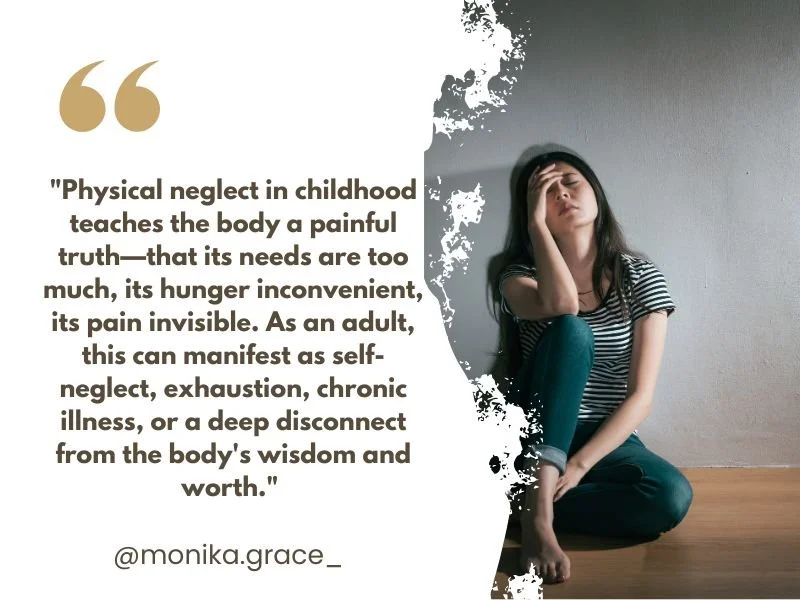
Adults who experienced physical neglect in childhood may struggle with basic self-care tasks, reflecting a disconnect from their bodily needs.
A history of physical neglect can lead to difficulty trusting others, particularly caregivers, due to a sense of betrayal and unmet needs in early life.
People with a background of physical neglect may have a heightened sense of vulnerability and insecurity, stemming from the lack of a safe and secure environment in childhood.
Adults who experienced physical neglect may exhibit difficulties with self-soothing and emotional regulation, as their needs weren't consistently addressed in childhood.
Some adults with a history of physical neglect may struggle with financial management or responsible decision-making, reflecting a lack of guidance and support during their formative years.
4. Abuse:
Physical, emotional, or sexual abuse shatters a child's sense of trust and safety, creating a core wound of shame, worthlessness, or vulnerability.
Common Trauma Response: Fight, Flight, Freeze, Fawn, Collapse, Shutdown
Core Belief: I am worthless, I am to blame, I am powerless
Core Wound Formation: Abuse often triggers a fight-or-flight response. The child might lash out verbally or physically (fight) or withdraw and isolate (flight) in an attempt to protect themselves. However, the power imbalance can leave the child feeling helpless, leading to a freeze or fawn response (appeasing the abuser). These experiences can solidify a core wound of shame and the limiting belief, "I am worthless."
Coping Mechanism: Anger, self-harm
Sabotaging Pattern: Engaging in destructive behaviors towards oneself or others.
How abuse manifests in adult life:
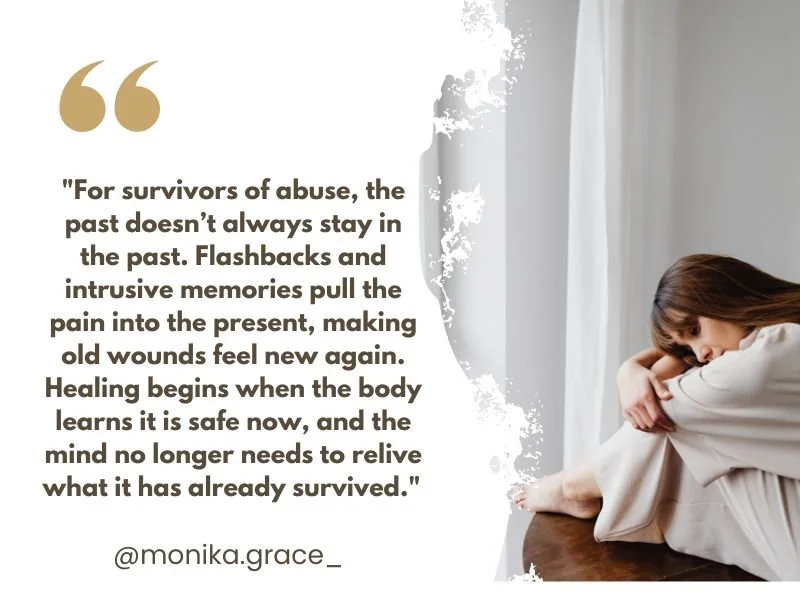
Survivors of abuse often experience flashbacks or intrusive memories, reliving the trauma in the present and making it difficult to feel safe and secure.
Adults who were abused as children may have difficulty forming healthy relationships due to a distorted view of trust, intimacy, and boundaries.
People with a history of abuse may struggle with self-blame and feelings of shame, carrying a burden of responsibility for the abuser's actions.
Survivors of abuse may exhibit hypervigilance or a constant state of alertness, stemming from a sense of the world being unsafe.
Adults who experienced abuse may have difficulty expressing anger or setting boundaries, fearing retaliation or further abuse.
5. Loss:
The loss of a loved one, especially in early childhood, can leave a deep wound of grief, isolation, or fear of further loss.
Common Trauma Response: Collapse, Shutdown
Core Belief: Love is fleeting, I don't deserve happiness, I am afraid to connect
Core Wound Formation: The death of a parent might trigger a state of intense grief and hypervigilance (scanning for signs of further loss). The child might experience a collapse response (overwhelming sadness and disorientation), followed by a shutdown response (emotional withdrawal) as a way to manage the pain. This can lead to a core wound of grief and the limiting belief, "Love is fleeting."
Coping Mechanism: Avoidance of grief, clinging to the past
Sabotaging Pattern: Inability to move on from loss, hindering new relationships.
How loss in adult life:
Loss, especially of a significant loved one, can lead to prolonged grief and difficulty accepting the reality of the situation.
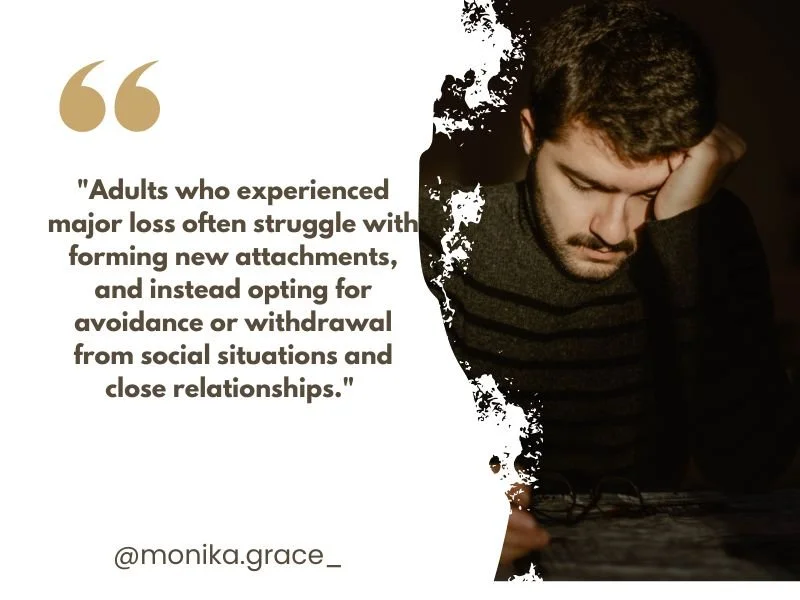
Adults who experienced a major loss may struggle with forming new attachments, fearing the pain of potential loss again.
People with a history of loss may exhibit a heightened sense of anxiety and difficulty letting go of control, a response to feeling powerless in the face of loss.
Survivors of loss may have a skewed perception of the world, viewing it as unpredictable and unsafe due to the experience of losing someone important.
Adults who experienced a significant loss may struggle to find meaning and purpose in life, questioning the permanence of happiness and connection.
Coping Mechanisms and Sabotaging Patterns
Coping mechanisms are our brain's natural defense strategies to manage overwhelming emotions and situations. They arise from our core wounds, those deep emotional scars formed in childhood. These mechanisms can be healthy (adaptive) or unhealthy (maladaptive).
Healthy coping mechanisms, like exercise or spending time with loved ones, help us process difficult emotions in a constructive way. However, when a core wound is triggered, we might resort to unhealthy coping mechanisms. For example, someone with a wound of abandonment might use isolation (avoiding social connection) to avoid further rejection, while someone with a wound of shame might resort to self-criticism to feel a sense of control. The type of coping mechanism chosen often reflects the nature of the core wound. Understanding these patterns is crucial for healing, as unhealthy coping mechanisms can hinder our ability to move forward and create a more fulfilling life.
The truth about Coping Mechanisms…
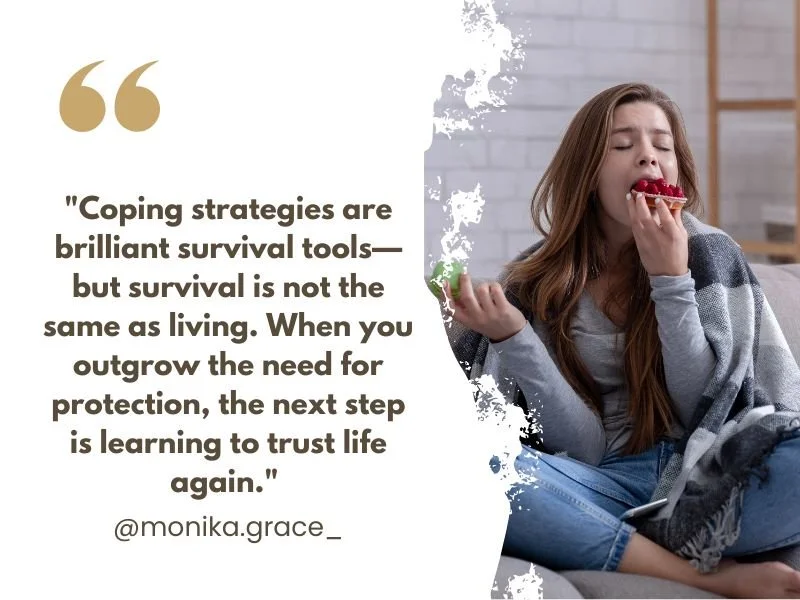
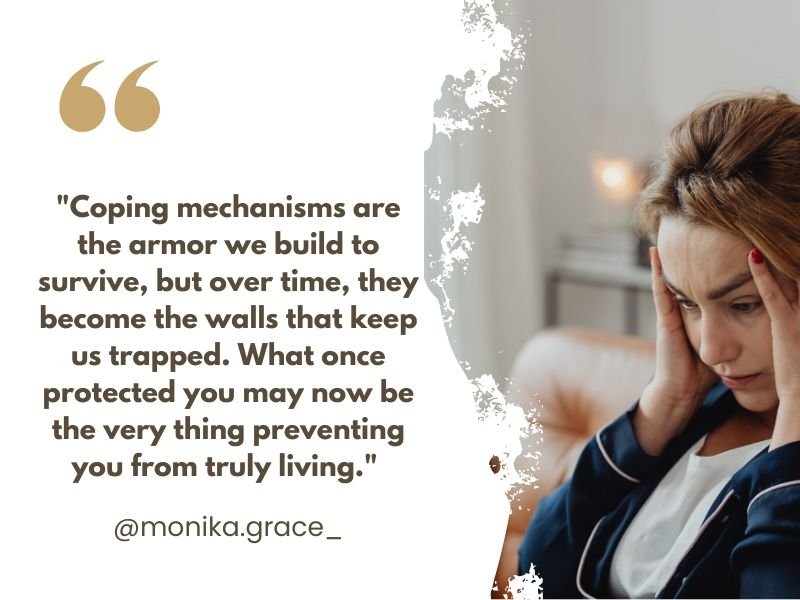
While coping mechanisms might initially offer relief from emotional pain, unhealthy patterns linked to core wounds can become self-perpetuating, hindering long-term growth.
Some coping mechanisms, like isolation or substance abuse, can create a cycle of avoidance, preventing individuals from addressing the root cause of their emotional pain.
Unhealthy coping mechanisms linked to core wounds can sabotage relationships. For example, people-pleasing can create resentment, while emotional numbing can lead to disconnection.
Coping mechanisms like self-criticism or procrastination, rooted in core wounds, can limit an individual's potential and hinder their ability to achieve their goals.
While these coping mechanisms might feel familiar and offer a sense of control, they ultimately keep individuals stuck in a cycle of emotional pain and limit their capacity to live a fulfilling life.
Here's a quick look at how some sabotaging behavioral patterns linked to core wounds can manifest:
➤ People-pleasing: While trying to gain approval from others, you might neglect your own needs and desires, leading to resentment and a loss of self-worth.
➤ Isolation: Withdrawing from social connections to avoid potential rejection reinforces the core wound of abandonment and hinders opportunities for healthy relationships.
➤ Substance Abuse: Using substances like alcohol or drugs to numb emotional pain creates a temporary escape, but ultimately prevents true healing and growth.
➤ Hypervigilance: Constantly scanning your environment for threats, rooted in the experience of neglect, can lead to anxiety and difficulty trusting others.
Understanding these patterns is crucial because they can act as a barrier to healing. By recognizing them in your own behavior, you can begin to interrupt the cycle and develop healthier coping mechanisms.
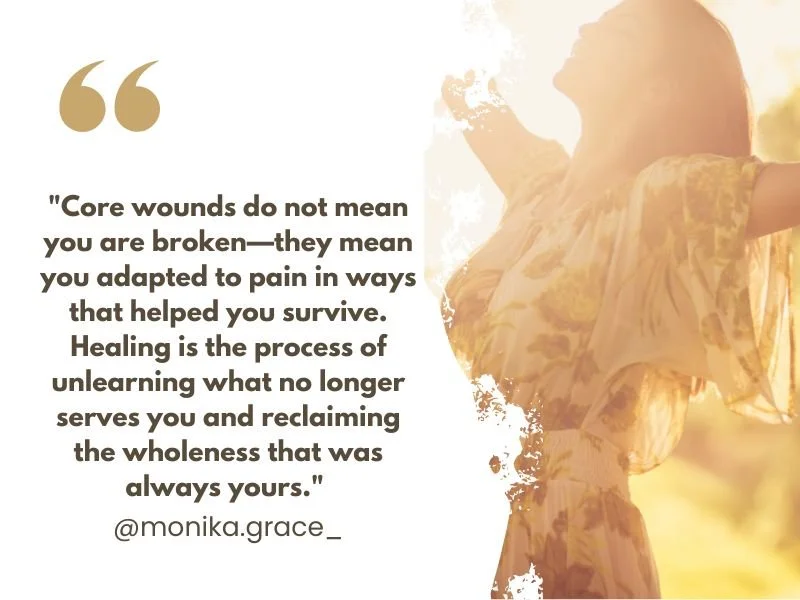
How to heal The Core Wounds?
The good news is that core wounds can be healed, even if they have been present for a long time.
Here are some key strategies for healing:
✓ Develop Self-Awareness: Reflect on your thoughts, emotions, and behaviors. Identify patterns that might be linked to your core wounds.
✓ Practice Self-Compassion: Treat yourself with kindness and understanding, just as you would a friend who experienced a similar trauma.
✓ Inner Child Work: Techniques like journaling and guided imagery can help you reconnect with your inner child and address unmet needs from your past.
✓ Somatic Therapy: By integrating body-centered practices like breathwork and gentle movement, you can release the energetic blockages associated with core wounds.
✓ Emotional Expression: Allow yourself to feel and express your emotions in a safe and healthy way. Journaling, art therapy, or talking to a therapist can be helpful tools.
✓ Setting Boundaries: Learn to say no to requests that drain your energy or violate your boundaries. This empowers you to create healthier relationships.
✓ Building Self-Esteem: Engage in activities that make you feel good about yourself and cultivate a sense of self-worth.
✓ Remember: Healing is a journey, not a destination. There will be setbacks along the way, but with patience, self-compassion, and the right support system, you can overcome the limitations of your core wounds and create a more fulfilling life.
✓ Seeking Professional Help: A qualified therapist can provide invaluable guidance and support in your healing journey. They can help you develop personalized strategies to address your specific core wounds and navigate the challenges of healing.
I hope you found this useful.
If you would like to book a session with me, visit the ▶ Get Started page to book your Free discovery call where we assess your needs and goals of your desired transformation.
I am so proud of you for taking this powerful step towards healing and living a more fulfilling life that you so deserve!
With love,